Fence Washing Guide for Timber, Vinyl and Metal Panels
A clean fence improves street appeal and makes it easier to spot loose fixings, coating damage and early signs of deterioration. Across Brisbane’s southern https://zandervssv037.oakridgedigest.com/posts/how-to-prepare-your-home-for-a-pressure-cleaning-service suburbs, humid weather, summer storms and shaded gardens encourage algae and mildew, while dust and lawn clippings add everyday grime. The safest fence washing method depends on whether your panels are timber, vinyl or metal.
Check Your Fence Before Washing
Inspect panels, posts and gates before introducing water or cleaning products. Loose boards, splintered timber, cracked vinyl and peeling coatings need attention first. Check the manufacturer’s care instructions where available, particularly for painted timber, powder-coated aluminium and prefinished steel fencing.
- Clear the area: Move outdoor furniture and trim back plants touching the fence. Keep children and pets away while cleaning.
- Protect nearby surfaces: Cover electrical fittings and avoid directing water towards outdoor power points, gate motors or neighbouring property.
- Test your method: Clean a small, inconspicuous section and let it dry before treating the whole fence.
- Plan runoff control: Keep detergent, sediment and contaminated wash water out of gutters and stormwater drains.
How to Wash Timber Fencing
Start with a soft brush, mild detergent and a gentle hose rinse. Work in manageable sections, scrubbing along the grain. Avoid soaking the timber unnecessarily, and do not let cleaner dry on the surface.
High-pressure cleaning can strip soft wood fibres, leave permanent marks and damage paint or stain. If pressure cleaning is appropriate for the timber’s condition, use a broad fan spray at a low setting, maintain a generous distance and keep the nozzle moving. There is no single safe pressure setting for every timber fence.
For algae or mildew, choose a product labelled as suitable for the timber and its finish. Avoid household chemical mixtures. If you plan to stain or repaint, allow the fence to dry to the coating manufacturer’s specified moisture level rather than relying on a fixed waiting period.
How to Wash Vinyl Fence Panels
Vinyl fencing generally responds well to warm water, mild detergent and a soft cloth or non-abrasive brush. Rinse loose grit away first so it does not scratch the surface during scrubbing.
For stubborn marks, use a cleaner approved by the fence manufacturer. Avoid abrasive pads, solvent-based products and concentrated chemicals unless specifically permitted. Pressure washing can force water into joints or damage brittle panels, so a garden hose is usually the better starting point.
Check hollow posts, caps and panel connections as you work. Do not direct a concentrated jet into openings.
How to Wash Metal Fence Panels
For powder-coated aluminium and prefinished steel, remove loose dirt with fresh water, then wash with a soft brush and a mild, non-abrasive detergent compatible with the finish. Rinse thoroughly, paying attention to sheltered areas where rain does not naturally wash away deposits.

Avoid steel wool, wire brushes, harsh acids and abrasive cleaners, which can scratch protective coatings. Do not spray directly into overlapping sheets, post caps or gate hardware.
Cleaning does not repair corrosion. If you find bubbling paint, exposed metal or rust around fasteners, seek advice on a coating-compatible repair. Follow the manufacturer’s instructions before using rust removers or touch-up paint, especially on prefinished steel.
Managing Brisbane Conditions and Wash Water
In suburbs such as Sunnybank, Calamvale, Acacia Ridge and surrounding areas, shaded fence sections may need cleaning more often than sunny, well-ventilated sections. Inspect periodically and clean when grime or biological growth appears rather than following a rigid schedule.

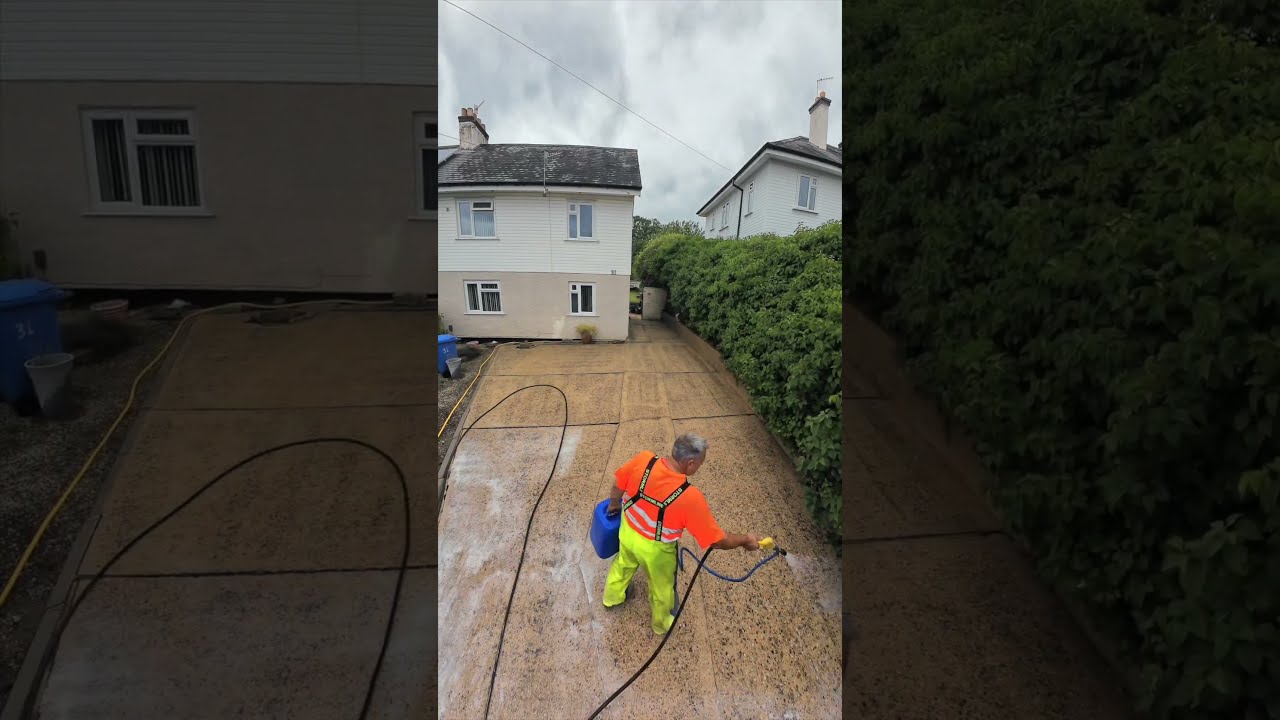
Choose a mild day and work out of direct sun where possible. Hot panels can cause cleaning solutions to dry too quickly, while approaching storms make runoff harder to control.
In Brisbane, stormwater drains discharge to waterways without sewage treatment. Even products labelled biodegradable should not enter them. Use suitable containment and collection methods, and check Brisbane City Council guidance for disposal requirements. Follow current water restrictions, if any apply.
When to Book Professional Fence Washing
Professional help is worth considering for extensive growth, fragile finishes, tall fencing or sites where wash water is difficult to contain. Ask how the contractor adjusts cleaning methods for each material, protects plants and manages runoff. A suitable service prioritises the fence’s condition and coating requirements—not simply the strongest pressure available.
Brisbane Southside Pressure Cleaning
(07) 3179 6111